
Packaging Design in 2026: What Small Indian Brands Should Copy
Trend lists are written for big brands with big print runs. A small brand shipping 50 or 500 orders a day has a different problem. Every design choice turns into a cost per order, a minimum order quantity and a reorder headache.
I am not a designer, and I will not tell you which font to pick.
We make packaging at JPPL, and we have been making it since 1997. Tape is a big part of what we make. So this list sorts the 2026 trends by one test: does it pay back for a small Indian brand, or does it mostly look good in a pitch deck?
Which design trends are worth it in 2026?
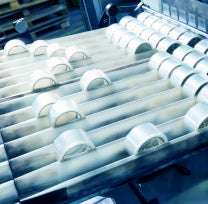
1. Printed tape as your first branding
If you have a small budget, put your logo on the tape before you put it on the box. Every parcel needs tape anyway. A one-colour logo on brown or clear tape turns a plain carton into a branded one, and the customer sees it before anything else.
Printed tape is part of our own range, and printed tapes are also the easiest thing to reorder.
The box size can change next year. The tape stays the same.
2. Fewer colours, on purpose
Minimal design is a cost decision as much as a style choice.
In flexo and gravure printing, each colour needs its own plate or cylinder. One colour means one plate to make, one to store and one to match on every reorder. Four colours means four of each, and colour drift between batches becomes your problem.
This is the rule of the trade most first-time buyers do not know.
Start with one or two colours. Add more when your volumes justify it.
3. Plain kraft with one strong mark
Brown kraft cartons, kraft mailers and kraft paper tape are still everywhere, and I think they will stay. Kraft hides the scuffs a courier adds, it reads as natural to most Indian buyers, and it costs less than a fully printed white box.
One strong mark on kraft (a stamp, a sticker or the printed tape) is enough.
4. Design the inside, not just the outside
The unboxing moment happens inside the box. That is where small brands can beat big ones cheaply.
A layer of crinkle paper around a gift, or a honeycomb paper wrap around a bottle, shows the customer you thought about the product. It also protects it, which a printed outer box does not.
5. Right-sized boxes
Couriers charge on volumetric weight, so a big box with a small product costs you money on every order. Air is the most expensive thing most brands ship.
If you export to Europe, this is becoming law. Under the EU's packaging regulation (Regulation (EU) 2025/40), ecommerce and transport packaging may have at most 50% empty space from 1 January 2030, as per the European Commission. Indian brands selling into the EU should start designing to that now.
6. QR codes that lead somewhere useful
A QR code to your reorder page, a how-to-use video or a warranty form is worth the 2 square centimetres it takes.
A QR code that opens your home page is not.
7. Room for the legal text
This is boring, and it is where many pretty designs fail. Retail packs in India need their Legal Metrology declarations: MRP, net quantity, manufacturer or packer address, month and year of manufacture, and customer care details. Food packs also need FSSAI labelling. Plan that space in the first draft, not after the designer has finished.
Which trends are mostly hype for a small brand?
- Custom die-cut shapes. Hexagons and stars need a cutting die, waste more board and crush more easily in a courier bag. They also ship badly against volumetric weight.
- Augmented reality packaging. The cost and effort make sense at a crore-rupee launch, not at 500 orders a day.
- Foil, spot UV and embossing on every pack. Each finish adds a process and usually a higher minimum quantity. Keep them for your Diwali gift box, if anywhere.
- Clear plastic windows on ecommerce boxes. Shoppers already saw the product online. The window scuffs in transit, and a plastic window on a paper box makes recycling harder.
- "Compostable" printed on the pack without a certificate. In India, makers of compostable and biodegradable plastic need a CPCB certificate under the 2024 amendment to the Plastic Waste Management Rules. An unbacked eco claim is a risk, not a design trend.
Where should a small brand spend first?
If I had ₹1 to spend on packaging design, this is the order I would follow:
- A carton that fits the product, so you stop paying to ship air.
- Printed tape with your logo in one colour.
- Paper fill or wrap on the inside that protects and looks cared for.
- A packing list envelope or insert with your reorder QR code. Our packing list envelopes keep the invoice dry and visible.
- Only then, a custom printed box.
Brands often do this list in reverse. They spend lakhs on a beautiful box in the first month, and then cannot afford to change it when the product size changes.
A small honest note
We sell several of the items above, so read this list with that in mind. We also do not sell printed boxes on PackSmith, and they sit last on my list. Judge that bias yourself. The order still holds even if you buy everything from someone else.
If you want to know what one-colour printed tape would cost at your volume, send us your logo and monthly order count. That is usually the cheapest branding conversation you will have this year.


